How Glass Manufacturers Improve Efficiency with Precious Metal Recovery
What Is Precious Metal Recovery in Glass Manufacturing?
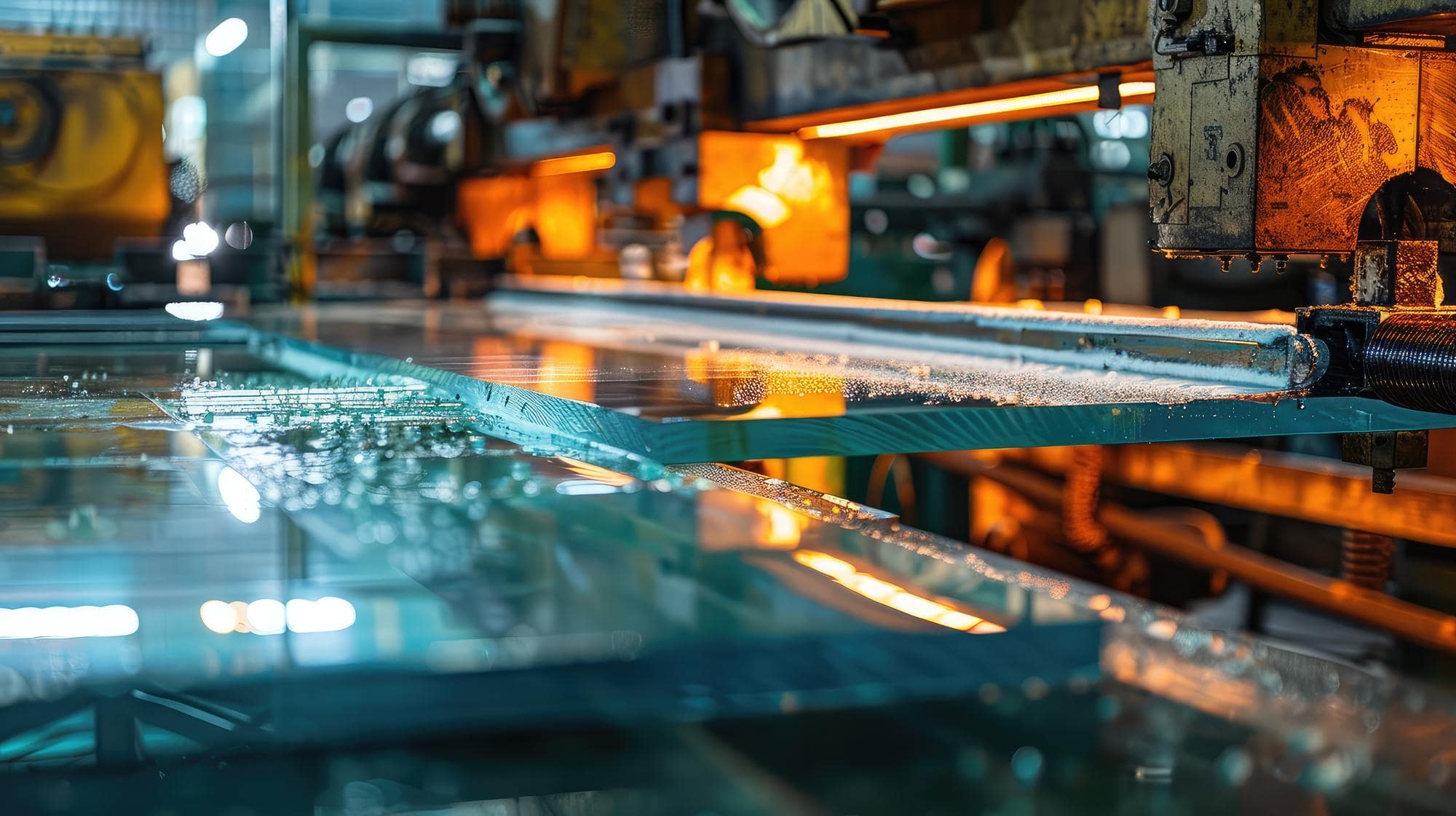
In glass manufacturing, high-temperature components and production materials naturally degrade over time. During this process, trace amounts of precious metals can accumulate in various production residues.
Although these residues may appear insignificant, they often carry recoverable value. Modern precious metal recovery systems help manufacturers reclaim these materials responsibly, improving operational efficiency while supporting long-term sustainability goals.
Why Managing Precious Metal Loss Matters
Even minimal losses of precious metals can accumulate over extended production cycles. Since these materials are both valuable and essential to the manufacturing process, unmanaged losses can increase procurement costs and create supply pressures.
A structured recovery program enables manufacturers to:
Capture value that would otherwise be lost
Reduce the need to procure fresh precious metals
Improve transparency and accountability in production
Strengthen long-term cost optimisation.
For many glass plants, recovery has evolved into a strategic tool for better resource management.
How Recovery Systems Work
Precious metal recovery typically involves three coordinated stages:
1. Collection
Production residues likely to contain metal values are systematically identified, segregated, and securely stored for further processing.
2. Refining
These materials are treated through controlled metallurgical or chemical processes designed to extract the precious metal content safely and efficiently.
3. Sustainable Circular Utilisation
Recovered precious metals are reintegrated into the circular economy through responsible reuse within approved manufacturing channels. This supports sustainability targets, reduces dependency on newly mined materials, and ensures valuable resources remain in productive use.
This three-step approach ensures that valuable material is captured, processed responsibly, and aligned with principles of circular manufacturing.
Operational Stability: Supports maintenance planning and reduces exposure to supply fluctuations.
Sustainability: Lowers waste, improves material efficiency, and strengthens ESG performance.
Process Efficiency: Encourages better housekeeping, collection discipline, and workflow clarity.
Risk Mitigation: Reduces vulnerability to market volatility and procurement challenges.
Even small and mid-sized manufacturers can experience measurable improvements when recovery is implemented consistently.
Financial Perspective
Plants that systematically collect and refine precious-metal-bearing residues often realise better cost management over time. While recovery outcomes depend on operational conditions and collection discipline, recovered materials typically offset a meaningful portion of precious metal requirements.
Refined materials can be directed into approved industrial channels, contributing to resilient and cost-effective long-term operations.
Integrating Recovery into Daily Operations
To maximise value, recovery practices should be embedded into daily plant operations:
Training teams to identify precious-metal-bearing residues
Establishing clear collection and storage protocols
Maintaining proper documentation and traceability
Collaborating with experienced refiners who follow industry best practices
This ensures consistent recovery results while maintaining compliance with relevant standards.
Strengthening ESG-aligned reporting and commitments
With increasing industry focus on sustainability, manufacturers adopting disciplined recovery programs gain a clear competitive advantage—both operationally and reputationally.
Conclusion: Unlocking Value in Everyday Operations
Every production cycle generates material that contains latent precious metal value. By adopting structured recovery systems, glass manufacturers can:
Enhance operational efficiency
Reduce dependence on new materials
Strengthen sustainability performance
Improve long-term cost predictability
For forward-looking glass plants, precious metal recovery is not just an add-on—it is a practical and essential part of responsible and efficient manufacturing.