How the Pharmaceutical Industry Can Unlock Value Through Precious Metal Recovery
Precious metals are widely used in pharmaceutical manufacturing, particularly in catalytic processes supporting API and fine chemical synthesis. These materials enable efficient reactions, improved yields, and process consistency. Over time, catalysts and related process materials become spent, yet they often continue to contain recoverable metal value.
With increasing pressure on input costs and a growing focus on responsible material management, pharmaceutical companies are re-evaluating how spent catalysts, residues, and metal-bearing by-products are handled. Precious metal recovery is increasingly being viewed not merely as waste processing, but as a practical method to recover value from materials already within the production cycle.
Recoverable Value in Pharmaceutical Process Materials
Pharmaceutical operations generate several material streams that may contain recoverable precious metals. These are often managed as waste due to process constraints, despite retaining measurable metal content.
Typical material categories include:
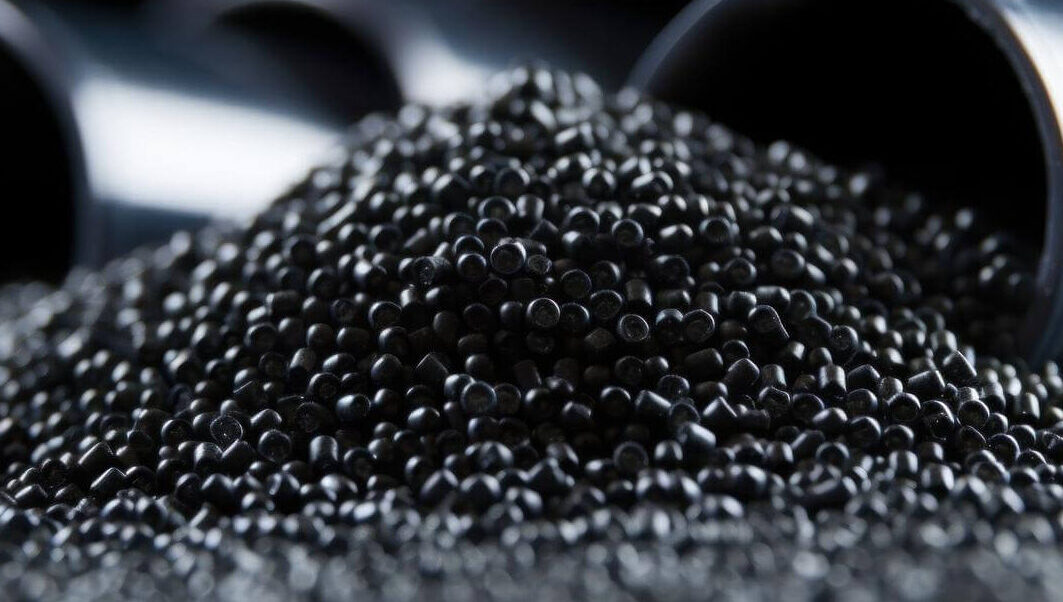
Spent catalysts used in synthesis processes
Catalyst residues, carbon media, and filtration materials
Reaction residues and process by-products
Selected liquid streams and laboratory rejects
When assessed and processed appropriately, such materials can be treated as secondary metal resources rather than disposal liabilities.
Cost Efficiency Through Metal Recovery
Precious metals represent a significant cost component in pharmaceutical manufacturing. Market volatility and supply constraints can further amplify this impact.
Recovering metals from spent materials allows pharmaceutical manufacturers to:
Reduce reliance on primary metal sourcing
Partially offset catalyst replacement costs
Improve overall material utilization
Reduce net waste management expenses
Specialized refiners apply established metallurgical processing routes to recover metals based on material composition and concentration. Recovery outcomes depend on the characteristics of the material and agreed commercial terms.
Alignment with Responsible Resource Management
Responsible handling of metal-bearing materials supports broader resource efficiency objectives. Recovering precious metals extends the useful life of critical materials and reduces the need for fresh extraction.
Benefits include:
Reduced volume of metal-bearing material requiring disposal
Lower indirect environmental impact associated with primary metal production
Improved internal material accounting and utilization
For pharmaceutical companies, recovery initiatives provide a practical operational step toward improved resource management without disrupting core manufacturing activities.
Regulatory and Operational Considerations
Pharmaceutical manufacturing operates within defined regulatory and environmental frameworks governing material handling and disposal. Metal-bearing materials require appropriate processing pathways aligned with applicable regulations.
Working with an experienced refining partner enables:
Controlled handling and processing of metal-bearing materials
Documented material movements and settlements
Processing routes aligned with industrial and environmental standards
Recovery services are structured to support compliance obligations while focusing on material processing and value recovery.
Why Refining Expertise Matters
Pharmaceutical catalysts and residues vary widely in composition, metal concentration, and chemical form. Generic recycling solutions are often unsuitable for these materials.
A specialized precious metal refiner provides:
Material-specific processing routes
Appropriate metallurgical treatment based on feed characteristics
Secure handling of customer materials
Scalable solutions from pilot to commercial volumes
This technical focus ensures recovery is conducted efficiently and responsibly within established refining practices.
From Waste Management to Value Recovery
For pharmaceutical manufacturers, precious metal recovery represents a shift from disposal-focused thinking to value-oriented material management. When integrated correctly, recovery can support cost control, operational efficiency, and responsible resource use.
By engaging experienced refining partners, companies can:
Recover value from spent process materials
Improve material efficiency across production cycles
Reduce waste-related costs and liabilities
Conclusion
As pharmaceutical manufacturing continues to balance cost pressures, operational efficiency, and responsible material handling, precious metal recovery offers a practical and commercially sound solution. Materials once considered waste can be processed to recover residual value, contributing to more efficient use of critical resources.
Precious metal refining solutions tailored to pharmaceutical process materials enable manufacturers to close material loops, reduce waste, and extract value — supporting both operational and economic objectives without compromising core manufacturing priorities.