Turning Glass Manufacturing Waste into Profit: How Recovery & Refining Solutions are the Next Big Step for Sustainable Glass Production
The global glass industry is undergoing a profound transformation. As manufacturers face rising pressure to conserve resources, reduce waste, and deliver on sustainability commitments, the way they handle residues and by-products is coming under scrutiny. What used to be a cost centre—disposal of furnace dust, cullet residues, polishing waste, and trace-element-rich by-products—is now being re-examined through the lens of value recovery.
Across forward-thinking plants, a new question is emerging: “What if our waste is actually worth more than we realize?”
This shift has opened the door to specialised recovery and refining solutions that not only reduce environmental impact but also uncover hidden profit streams. And this is exactly where organisations like ReReldan are reshaping what the glass industry considers possible.
The Hidden Value Inside Glass Manufacturing Waste
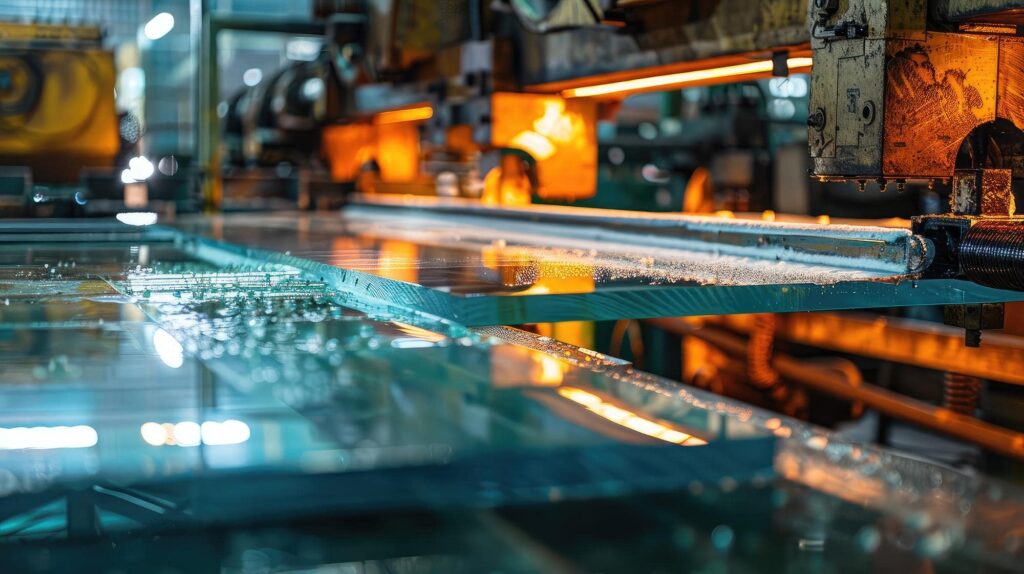
Glass manufacturing is inherently resource-intensive. The high-temperature processes, raw material handling, and finishing operations generate a range of residues that often contain valuable trace elements. These may include precious metals, speciality alloys, and other high-value materials that get embedded in filters, dust collectors, refractory linings, or polishing waste.
Traditionally, these residues were treated as waste—disposed of at high cost and with no return. But today, with technological advancements in refining and environmental expectations growing stronger, manufacturers are discovering something surprising:
Those trace elements can be recovered, refined, and returned as usable value.
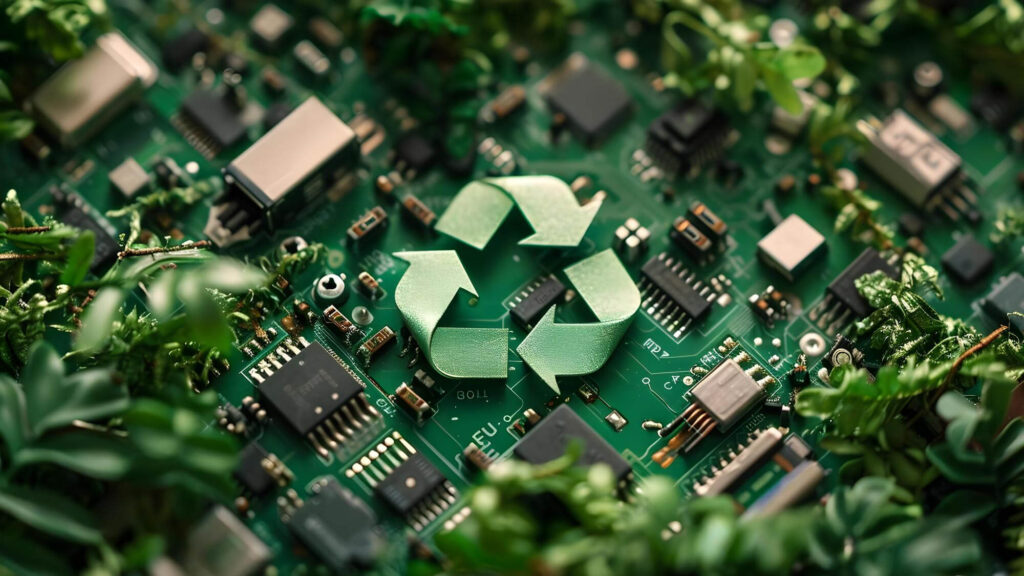
A by-product that once burdened the balance sheet can now strengthen it. This mindset underpins the circular economy approach to modern glass production.
Why Recovery & Refining Is Becoming a Strategic Priority
The shift isn’t just environmental—it’s economic, operational, and reputational. Here’s why more glass manufacturers are exploring advanced recovery solutions:
1. Rising sustainability expectations
Governments, global brands, and end customers expect cleaner manufacturing. Waste is no longer an acceptable by-product of growth. By recovering materials instead of disposing of them, glass plants strengthen their ESG performance and reduce their waste footprint.
2. Increasing material costs
Raw materials are becoming increasingly expensive and more difficult to secure. Recovering high-value elements internally reduces dependency on external supplies and cushions price volatility.
3. Strict environmental compliance
Regulatory frameworks in India and abroad are pushing for responsible management of industrial residues. Recovery and refining help companies comply with evolving norms while avoiding penalties and environmental liabilities.
4. New revenue opportunities
The most compelling reason? Recovered materials can be refined and returned to the manufacturer—turning waste into a financial asset. For an industry operating at tight margins, this advantage is significant.
Where Reldan Fits In: Specialised Recovery & Refining for the Glass Industry
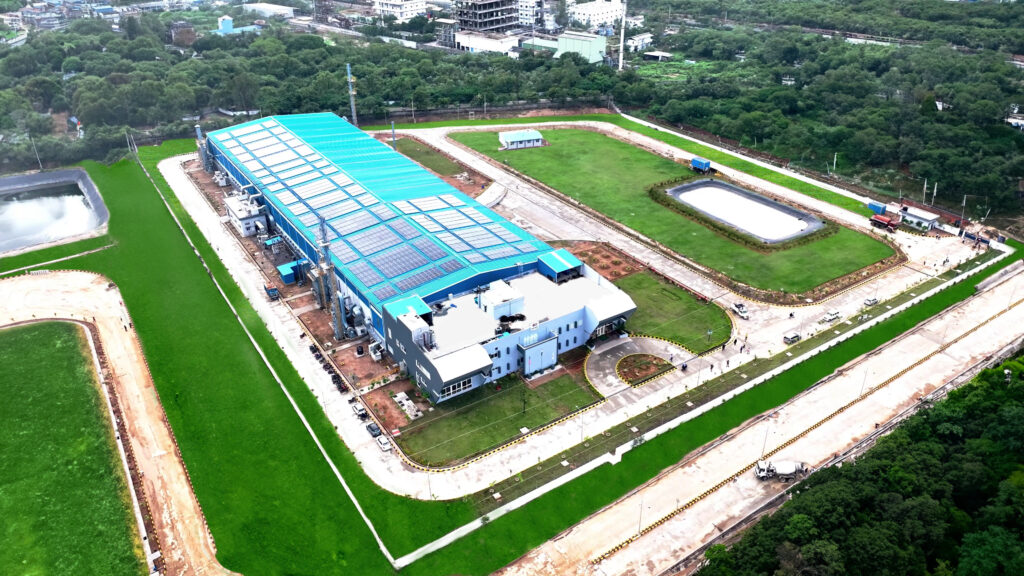
ReReldan has positioned itself as a trusted partner for industries looking to extract maximum value from their process residues. Their specialised recovery and refining solutions for the glass manufacturing industry are designed specifically for materials that traditional recyclers and waste handlers cannot process.
From initial material evaluation to final refined output, the entire process is handled with transparency and strict confidentiality—critical for manufacturers handling sensitive production data or high-value materials.
Ability to handle complex residues
Glass industry residues are not simple to process. Reldan’s capabilities include:
This means materials others would discard can often be converted into high-grade refined outputs.
Sustainability-aligned processing
Their processes are designed to reduce landfill waste, recover maximum value, and help manufacturers meet ESG goals without operational disruption.
Industry expertise
With deep experience in refining technology and industrial waste management, Reldan offers specialized knowledge that most general recycling providers don’t possess.
A Practical Example: How Waste Becomes Value
Imagine a large glass manufacturing plant producing speciality automotive glass. Over time, they accumulate:
Furnace dust enriched with trace metals
Polishing residues containing valuable compounds
Filter media holding metal deposits
Scrap and cullet mixed with hard-to-recover elements
Historically, the company would pay for disposal—not realizing these materials held recoverable value.
With a specialised refining partner, they can:
Send the residues for evaluation.
Identify valuable trace elements inside.
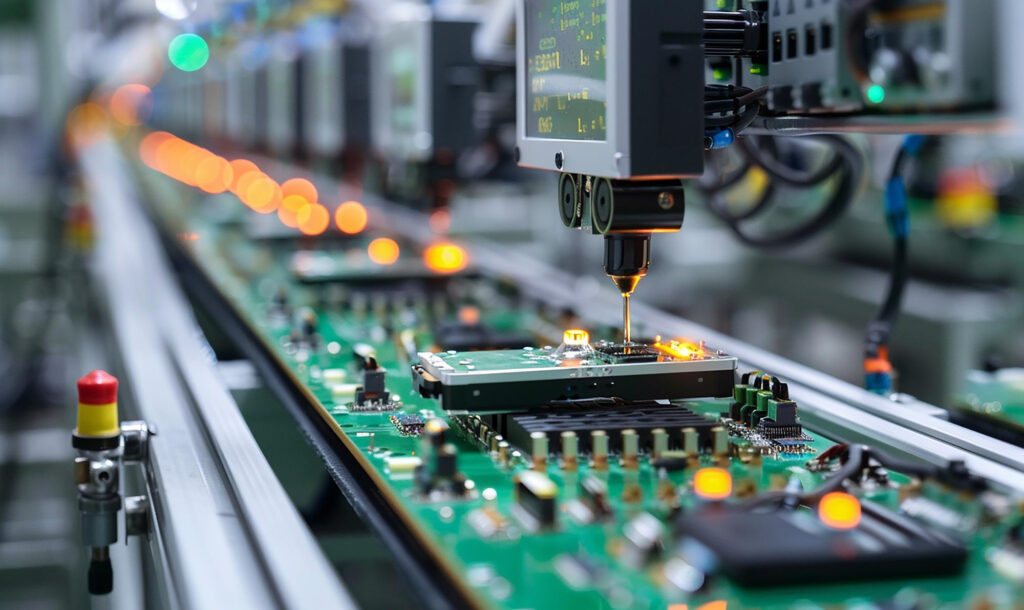
Recover and refine them through advanced technologies.
Receive refined outputs or credits for their recovered value.
The result?
Waste disposal cost reduced
Recovered material becomes an asset
Environmental footprint decreases
Brand reputation improves
This is not theoretical—this is already happening across leading industries globally.
Why This Matters for the Future of the Glass Industry
The glass sector is under pressure to modernize, decarbonize, and adopt circular practices. While energy efficiency and raw material optimization get most attention, waste recovery is becoming the “next frontier” of sustainable glass manufacturing.
Forward-looking manufacturers are already embracing this because it delivers three clear advantages:Better economics. Stronger compliance. Greater sustainability.
As global supply chains tighten and regulations intensify, companies that act early will gain competitive edge—not just in operations but in market perception.
Final Thought: Waste Is No Longer Just Waste
The world is moving toward a future where responsible manufacturing isn’t optional—it’s expected. Recovery and refining solutions provide glass manufacturers with a practical and high-impact way to enhance their operations and unlock hidden value.
The question is no longer “Should we?” It is “How much value are we leaving on the table by not doing it?”