Why IT Asset Refurbishing Is Essential for Sustainable IT in 2026
As organizations accelerate digital transformation, the volume of IT hardware entering and exiting enterprise environments is growing faster than ever. Laptops, servers, networking devices, and data center equipment are refreshed frequently to keep pace with performance and security demands. While this cycle fuels innovation, it also creates a serious sustainability challenge.
By 2026, businesses will be under even greater pressure to manage IT assets responsibly—not just from regulators, but from customers, investors, and internal ESG commitments. This is where IT asset refurbishing becomes essential to building a truly sustainable IT ecosystem
The Growing Sustainability Challenge in IT
Electronic waste is one of the fastest-growing waste streams globally. Much of this waste comes from IT equipment that still has functional value but is retired early due to upgrades, policy changes, or lack of proper lifecycle planning.
Simply disposing of these assets—whether through recycling or landfilling—results in lost value, increased environmental impact, and higher procurement costs. Sustainable IT in 2026 will no longer be about isolated recycling efforts; it will require smarter decisions across the entire asset lifecycle.
IT asset refurbishing directly addresses this challenge by extending the usable life of equipment and reducing unnecessary consumption of new resources.
What Is IT Asset Refurbishing?
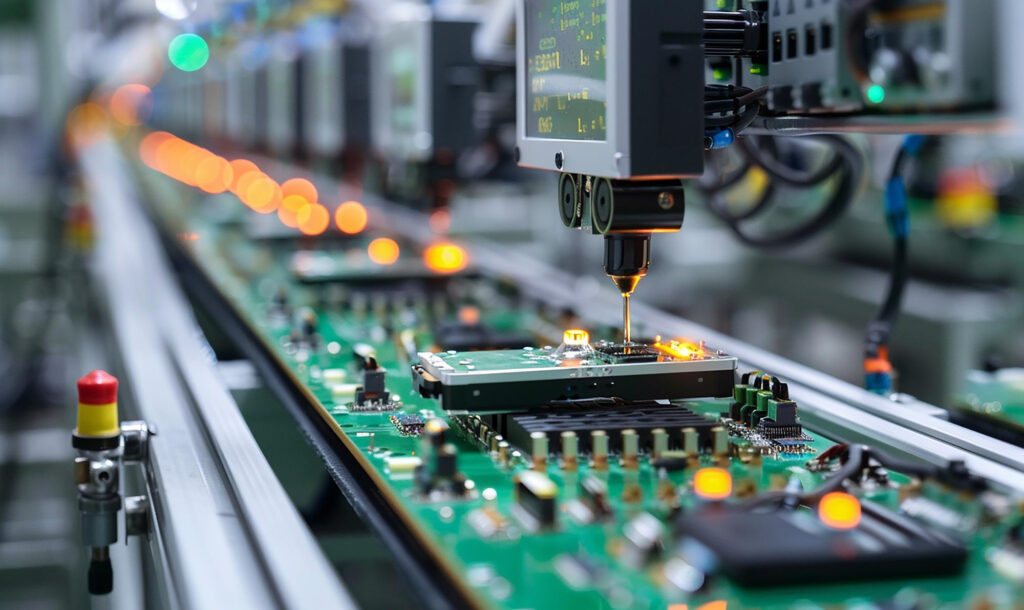
IT asset refurbishing is the process of restoring used or retired IT equipment to a functional, reliable, and redeployable state. This includes inspection, testing, component replacement if required, secure data wiping, quality assurance, and reconfiguration for reuse.
Refurbished assets can be redeployed internally, used for secondary workloads, provided to employees, or responsibly resold into secondary markets. Instead of treating IT hardware as disposable, refurbishing turns it into a reusable asset.
Why Refurbishing Is Critical for Sustainable IT in 2026
1. Reducing E-Waste and Environmental Impact
Manufacturing new IT equipment consumes significant amounts of energy, water, and raw materials. Every refurbished device represents one less unit that needs to be manufactured, transported, and disposed of.
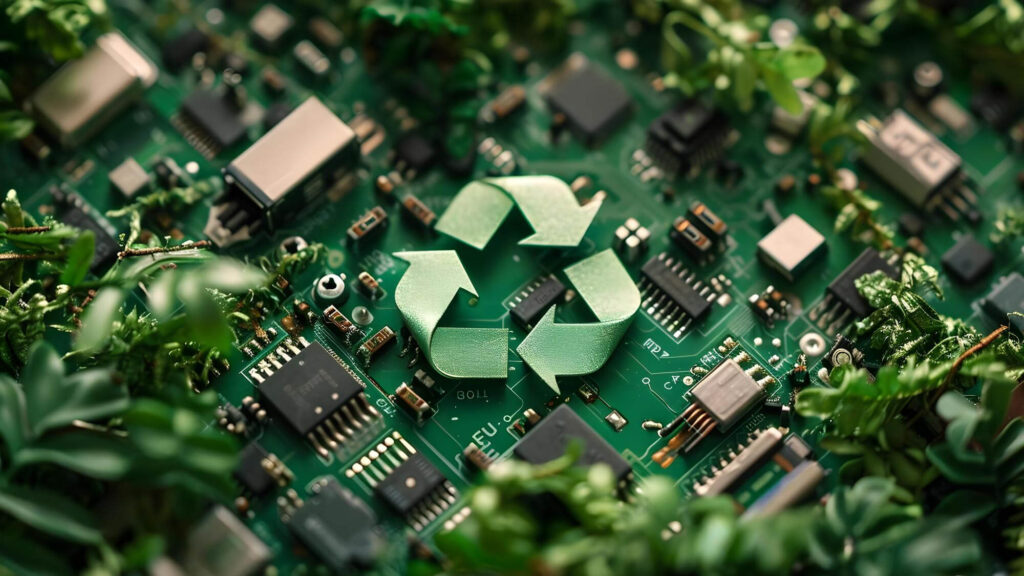
By prioritizing refurbishing, organizations can significantly reduce their carbon footprint and contribute to circular economy principles—reuse first, recycle last.
In 2026, sustainability metrics will increasingly focus on waste reduction and lifecycle emissions, making refurbishing a measurable environmental advantage.
2. Supporting ESG and Corporate Sustainability Goals
Refurbishing also supports the “social” aspect of ESG when refurbished devices are responsibly redistributed or resold, increasing access to affordable technology.
For companies aiming to strengthen ESG performance, refurbishing is no longer optional—it is strategic.
3. Maximizing Value from IT Investments
IT hardware represents a significant capital investment. Disposing of assets prematurely results in the loss of residual value. Refurbishing allows organizations to extract more value from their existing assets by extending their lifecycle.
In many cases, refurbished equipment can meet the performance requirements for non-critical workloads, testing environments, backup systems, or employee redeployment—reducing the need for new purchases.
As budgets tighten in 2026, cost efficiency and sustainability will go hand in hand.
4. Enabling Circular IT and Smarter Asset Lifecycle Management
Sustainable IT is shifting toward a circular model, where assets are tracked, reused, refurbished, and only recycled when they reach their true end-of-life.
IT asset refurbishing plays a key role in this model by bridging the gap between active use and final disposal. When integrated into IT asset management (ITAM) and IT asset disposition (ITAD) strategies, refurbishing enables better planning, forecasting, and sustainability reporting.
Organizations that embed refurbishing into their IT lifecycle will be better prepared for future regulatory and operational demands
5. Meeting Compliance and Data Security Expectations
One common misconception is that refurbishing increases data security risks. In reality, professional refurbishing solutions include certified data sanitization processes that ensure complete and verifiable data removal.
As data protection regulations continue to tighten, secure refurbishing ensures that sustainability efforts do not compromise compliance or security.
The Role of Trusted Refurbishing Partners
Successful IT asset refurbishing requires expertise, certified processes, and transparency. From secure data wiping to quality checks and reporting, every step must be auditable and compliant.
Partnering with a trusted refurbishing provider allows organizations to achieve sustainability goals without disrupting operations or increasing risk.
Looking Ahead: Sustainable IT Starts with Refurbishing
By 2026, sustainable IT will be defined by how responsibly organizations manage their technology—from procurement to end-of-life. IT asset refurbishing is no longer just a cost-saving option; it is a cornerstone of sustainable, circular IT strategies.
Organizations that embrace refurbishing today will not only reduce environmental impact but also gain financial, operational, and reputational advantages in the years ahead.