Circular Economy in Electronics Manufacturing:
Closing the Loop Through Precious Metal Recycling
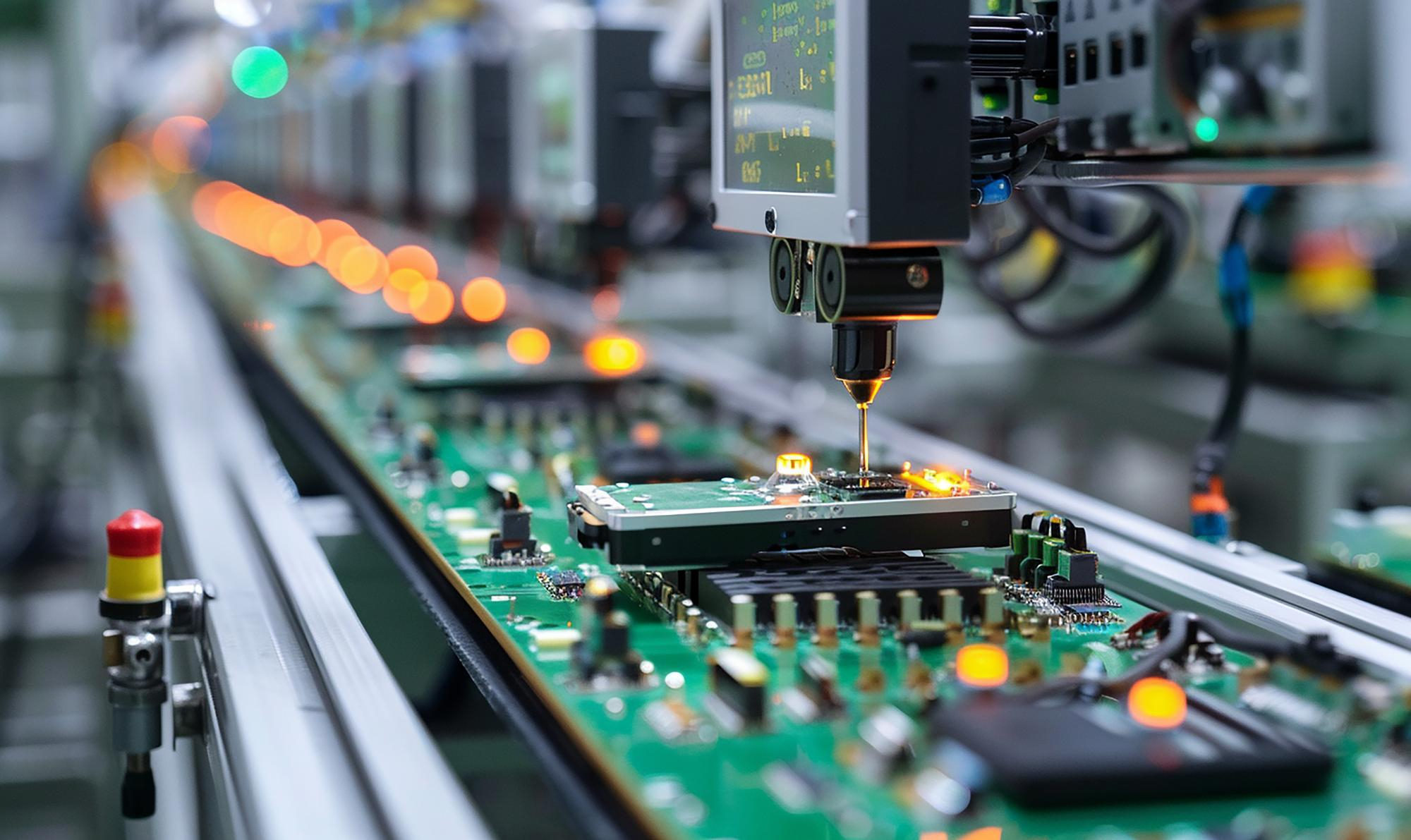
In the fast-paced world of electronics manufacturing, the pursuit of smaller, faster, and smarter devices seems unstoppable. Yet, alongside this constant innovation lies a growing challenge — the depletion of precious and critical metals embedded in every circuit board, smartphone, server, and data centre module. At Re Sustainability Reldan, we recognise that progress is not just about creating new products; it’s about creating better, smarter, and more circular ones.
Why the circular economy matters in electronics
Traditional electronics manufacturing is deeply resource-intensive. Rare and precious metals, such as gold, silver, palladium, and copper, are essential for conductivity, durability, and optimal performance. However, mining, refining, and transporting these raw materials come with high environmental and social costs. By recovering and reusing materials already present in end-of-life electronics, industries can significantly reduce their reliance on extraction — moving closer to a true circular economy.
At Re Sustainability Reldan, we see precious metal recycling as a cornerstone of responsible manufacturing. E-waste is not just a disposal issue; it’s a valuable source of secondary raw materials. In fact, studies show that discarded electronics often contain higher concentrations of precious metals than newly mined ores.
Through our integrated e-waste recycling and metal recovery processes, we help manufacturers turn what was once considered waste into a resource — bridging the gap between sustainability and profitability.
Closing the loop: how recycling works
Building a circular electronics industry means more than just recycling; it requires designing systems that make recovery possible from the start. For Re Sustainability Reldan, this begins with a systems-thinking approach that connects product design, collection, precious metal processing, and reintegration.
- Design for disassembly
When electronic devices are designed for easy separation of metals, plastics, and glass, the recovery process becomes much more efficient. Using modular components, reducing adhesives, and clearly labelling materials all help improve recyclability and material purity.
- Reverse logistics and end-of-life collection
Re Sustainability Reldan supports reverse logistics networks that bring end-of-life electronics back into the value chain. Instead of ending up in landfills or informal recycling systems, these devices are channelled into certified facilities where their components can be safely and efficiently recovered.
- Advanced material processing and separation
Once components such as PCBs are separated, Re Sustainability Reldan uses controlled granulation, classification, and precision separation techniques to prepare metal-bearing fractions for further processing. This approach enhances material purity, improves handling efficiency, and supports responsible movement to the next stage in the processing sequence.
- Material reintegration
Processed metals and materials are reintroduced into manufacturing cycles through authorized industry partners, supporting reduced reliance on virgin mining. This contributes to lower carbon emissions, conservation of natural resources, and minimized environmental impact, advancing responsible circular-economy practices.
The business case: sustainability and value
For Re Sustainability Reldan, the circular economy is more than an environmental responsibility — it’s a business advantage. Through precious metal recycling, our clients can reduce raw material costs, secure their supply chains, and enhance brand reputation.
Recycling metals from electronics also delivers substantial climate benefits.
For instance, recycling copper instead of mining new ore can cut greenhouse gas emissions by up to 85%. By integrating advanced metal recovery systems, Re Sustainability Reldan helps clients boost operational efficiency and achieve measurable sustainability targets — turning waste management into a value-creation model.
How Re Sustainability Reldan implements circularity
Our approach to closing the loop in electronics manufacturing is both structured and measurable:
- Assessment & roadmap – We start by analysing material flows, identifying key metals within products, estimating end-of-life volumes, and defining recovery systems.
- Design & manufacturing optimisation – Design and manufacturing choices play a vital role in enabling repairability, longer product life, and easier processing at end-of-life. Re Sustainability Reldan supports this transition by ensuring responsible handling of materials once these products enter the waste stream.
- Supply-chain alignment
Processed materials continue into the appropriate value chain with full documentation and compliance support, contributing to responsible handling and circular-use pathways where applicable.
- Transparency and documentation
We provide clear records of materials processed and compliance steps followed, giving our clients confidence in proper and responsible end-of-life management.
Challenges and the path ahead
Closing the loop is not without complexity. Electronics contain multiple materials in minute quantities, making the processing and separation of precious metals a technically demanding task. Some materials are hazardous, while logistics for global collection remain challenging.
At Re Sustainability Reldan, we believe that collaboration is key. We actively engage with industry partners, technology solution providers, and policymakers to strengthen responsible e-waste processing practices and support the evolution of future-ready approaches in material handling and circularity.
Why it matters — for your business and the planet
By partnering with Re Sustainability Reldan, electronics manufacturers gain more than a recycling service. They build resilience into their operations — reducing exposure to resource scarcity and volatile commodity prices — while aligning with global sustainability goals and circular-economy regulations.
For the planet, the benefits are clear: lower emissions, less water consumption, and fewer electronics ending up in landfills. Each step toward precious metal recycling helps preserve ecosystems and natural resources for future generations.
At Re Sustainability Reldan, we believe the future of electronics manufacturing is circular. We don’t just recycle materials — we reimagine value chains. The era of “take-make-discard” is coming to an end, giving rise to a new model of “recover-reuse-regenerate.”
Through advanced precious metal processing and sustainable e-waste recycling, we’re closing the loop — one circuit board at a time.
Join Re Sustainability Reldan in transforming electronics waste into the foundation of a more resilient, resource-efficient future.
Have questions? Talk to our experts.
Categories
Recent Posts
-
 The Hidden Cost of Doing Nothing: What E-Waste Actually Is
-
 Platinum Group Metals Recycling in India
-
 How the Pharmaceutical Industry Can Unlock Value Through Precious Metal Recovery
-
 Why IT Asset Refurbishing Is Essential for Sustainable IT in 2026
-
 How Glass Manufacturers Improve Efficiency with Precious Metal Recovery
-
 Turning Glass Manufacturing Waste into Profit recovery refining solutions